SPMC Department of Surgery
Study by system. Made by SPMC surgeons, for SPMC surgeons.
The 3,008-question bank for the Philippine Surgery Diplomate Exam is organized into focused rounds, rapid sheets, answer-free recall, and timed oral simulation. Start with unseen items, recycle errors, and defend decisions aloud.
Rapid sheets High-yield recall Oral simulator Start 20 new questions →
SPMC inpatient complex · campus photograph ↗ Your next round
Choose the job, not the whole bank 20-question sessions Build coverage Learn 20 new items Mixed topics · shuffled Repair errors Review missed questions No misses yet Second pass Open saved questions Save questions as you study Weak-area round Appears after your first round Uses your device-local results
Organized blueprint
Coverage by surgical domain 17 topics · 3008 questions Foundations & acute care Basic Science 319 Qs
0/319 seen Not started
Critical Care 196 Qs
0/196 seen Not started
Trauma 331 Qs
0/331 seen Not started
Skin & Soft Tissue 82 Qs
0/82 seen Not started
GI & abdominal surgery GI 245 Qs
0/245 seen Not started
Colorectal 245 Qs
0/245 seen Not started
HPB 246 Qs
0/246 seen Not started
Hernia 121 Qs
0/121 seen Not started
MIS & Bariatric 84 Qs
0/84 seen Not started
Oncology & endocrine Oncology 189 Qs
0/189 seen Not started
Breast 164 Qs
0/164 seen Not started
Endocrine 202 Qs
0/202 seen Not started
Head & Neck 84 Qs
0/84 seen Not started
Specialty surgery Vascular 170 Qs
0/170 seen Not started
Thoracic 111 Qs
0/111 seen Not started
Pediatric 164 Qs
0/164 seen Not started
Transplant 55 Qs
0/55 seen Not started
Visual recall
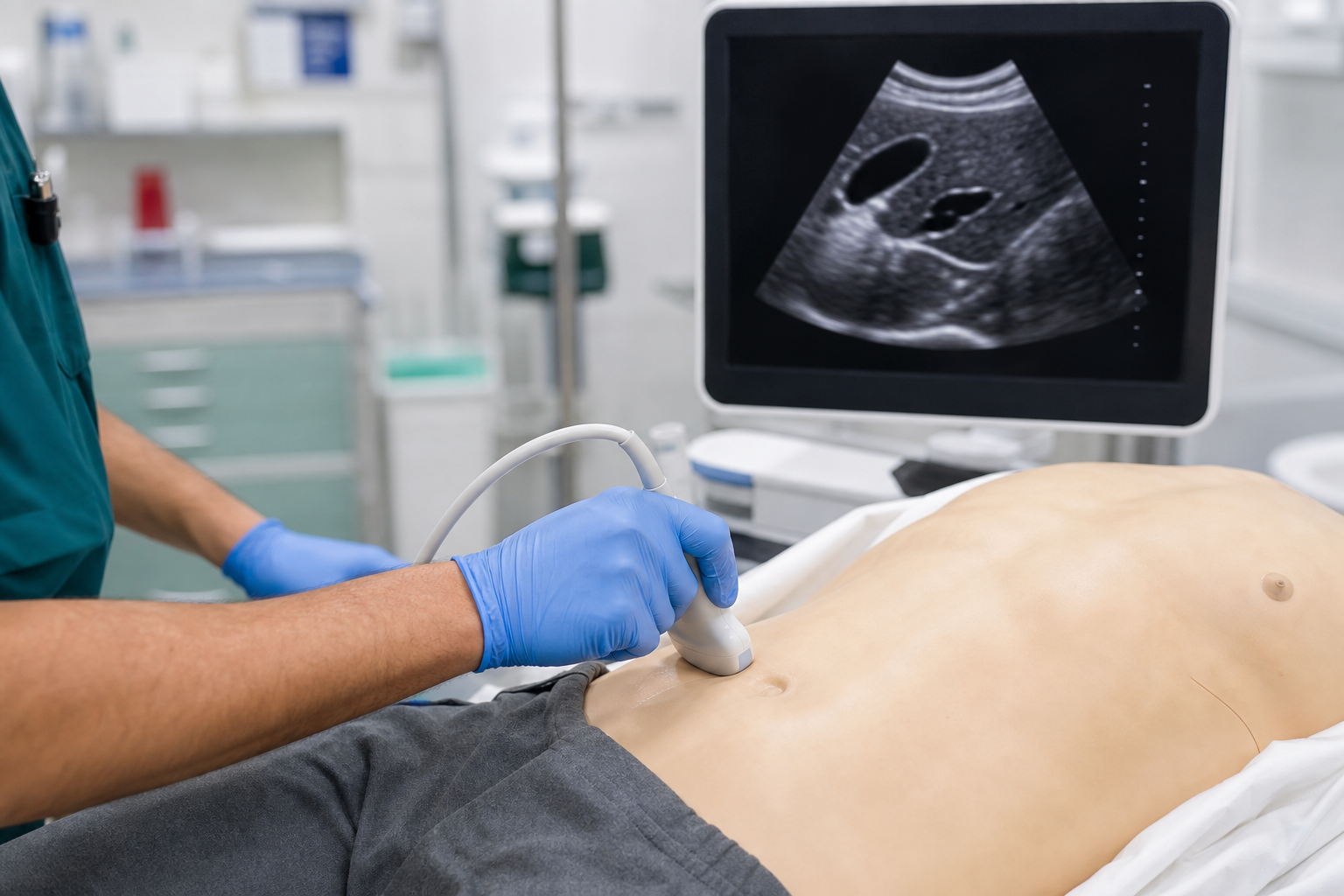
Clinical image round Original teaching visuals Trauma · POCUS Abdominal ultrasound Use standardized windows and interpret the image with physiology; in unstable trauma, a positive FAST changes destination.
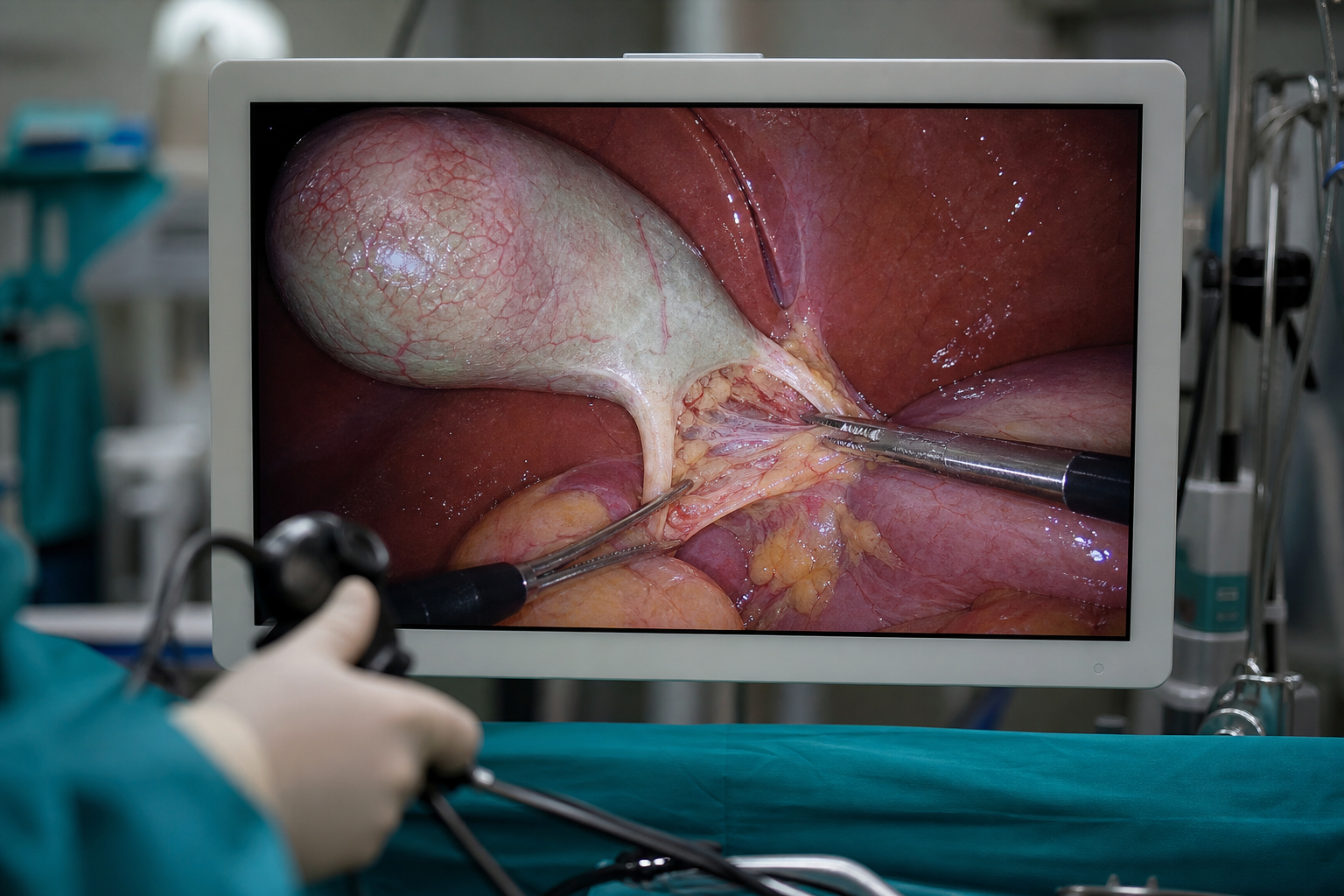
HPB · Operative view Biliary anatomy Identify the critical structures and obtain a safe view before any ductal or arterial division.
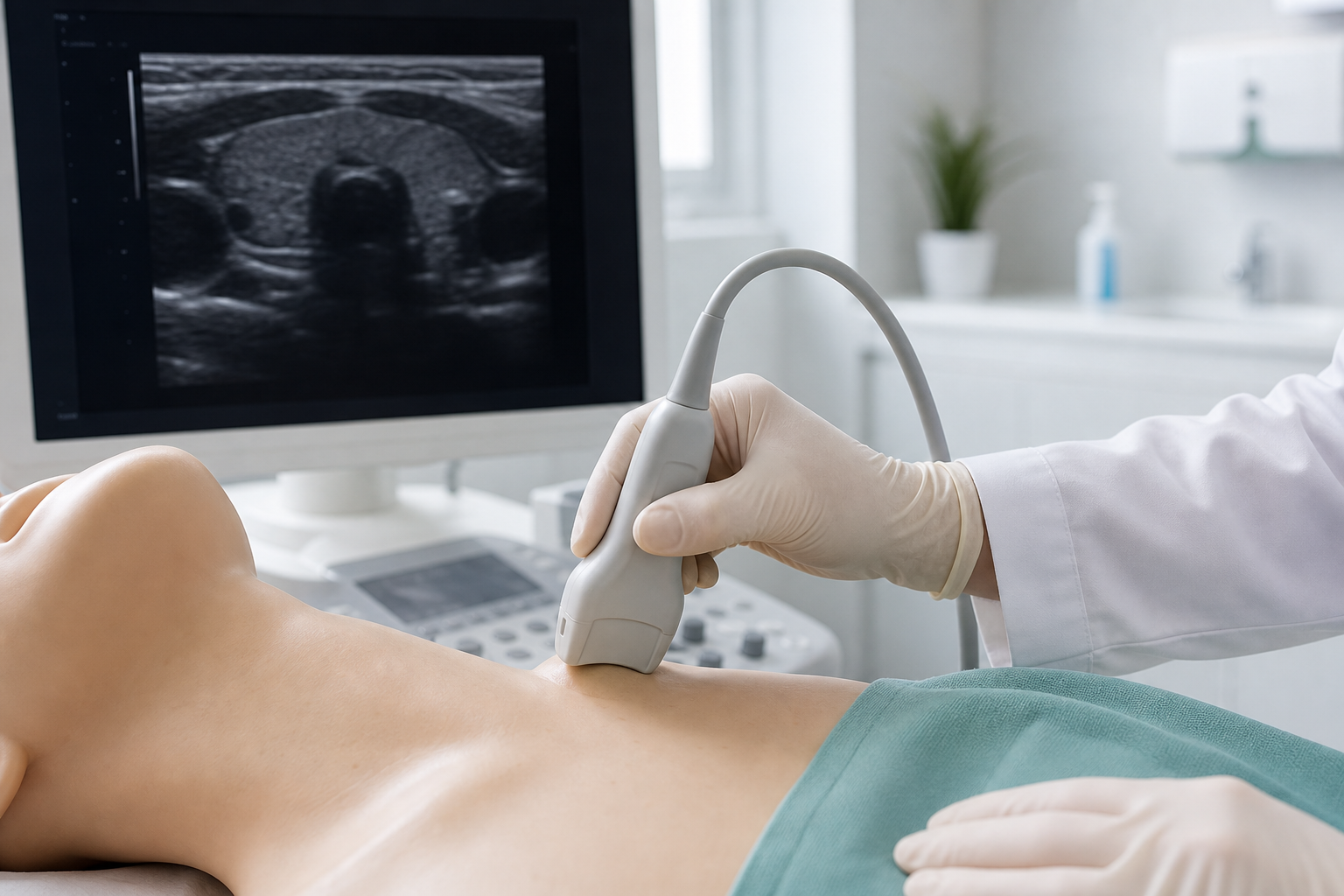
Endocrine · Ultrasound Thyroid risk stratification Pair TSH with structured ultrasound assessment; sonographic pattern and size guide the need for FNA.
AI-generated training images for visual orientation only. Verify anatomy and management against the cited source and current clinical guidance.